&geometry(261x80) "Monier Veterinary Clinic")
Flea and Tick Prevention for Pets: Are You Keeping Them Protected?
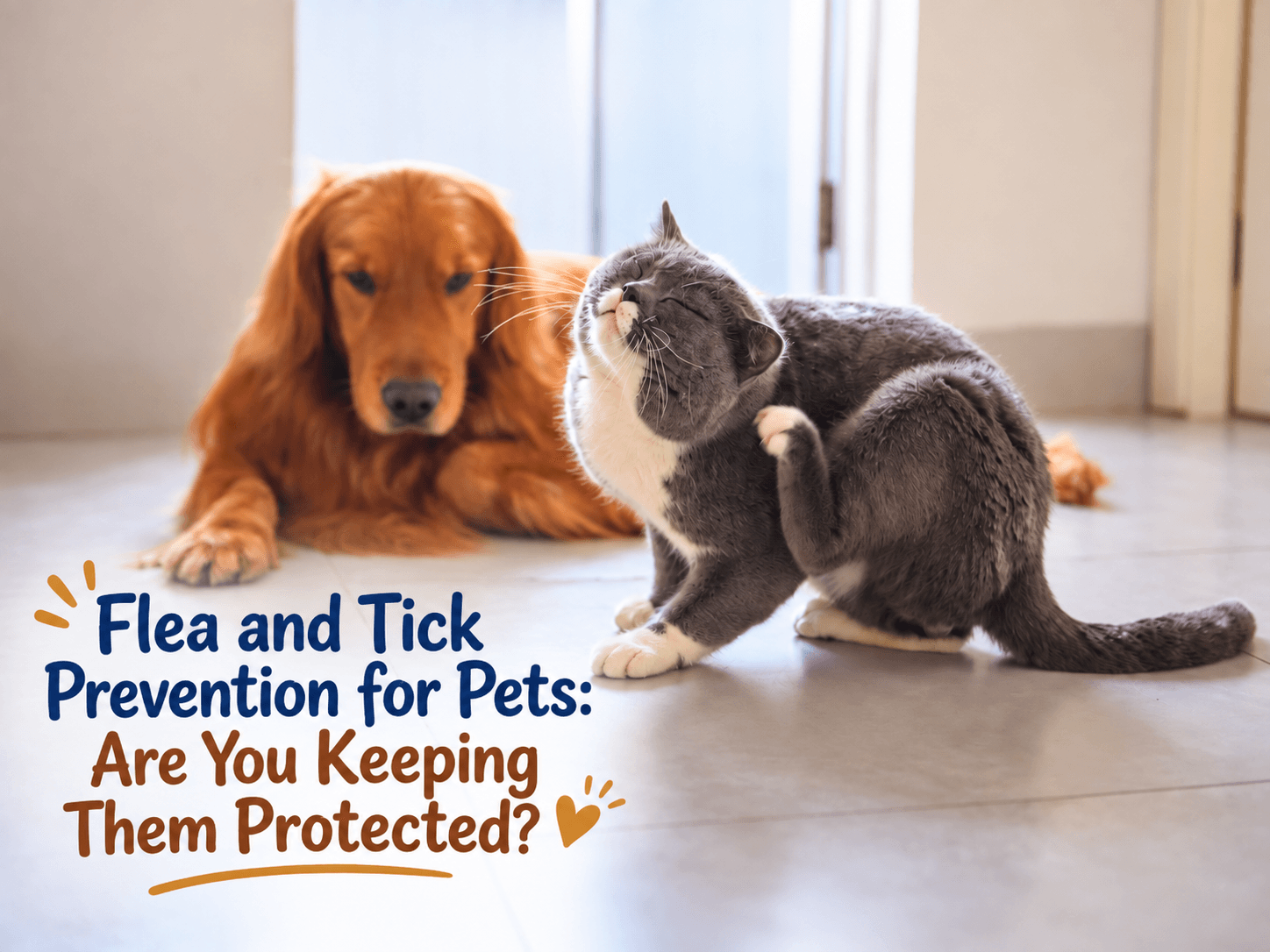 "Flea and Tick Prevention for Pets: Are You Keeping Them Protected?")
Flea and tick prevention can be one of those pet-care jobs that is easy to put on autopilot. You give the treatment, make a mental note of when the next dose is due and then suddenly realise the date has already passed.
Unfortunately, parasites do not wait for our calendars.
Fleas can cause much more than an occasional scratch, while ticks can lead to serious and potentially life-threatening illness. Keeping your pet protected means choosing the right product, giving it correctly and making sure there are no unexpected gaps in their prevention routine.
Here are some of the most important things to consider when protecting your cat or dog.
Is your pet's parasite protection still right for them?
The flea or tick product you started using a year or two ago may not necessarily still be the best option for your pet today.
Their weight may have changed. Their lifestyle may be different. Perhaps you have moved house, started travelling with them or added another pet to the household.
Before giving a preventative treatment, check that:
The product is suitable for your pet's species
The dose matches their current weight
You are following the correct treatment schedule
Topical treatments are being applied according to the instructions
Bathing and swimming recommendations are being followed
Any other parasite products they receive can be used safely alongside it
Some pets may need extra consideration
Some pets also have individual health considerations that can influence which products are appropriate. This may include pets with sensitive stomachs, a history of seizures or animals that are pregnant or being used for breeding.
Not sure which product is right for your pet?
If you are unsure, speak with your vet before changing products or combining different parasite treatments.
One important rule: never use a dog flea treatment on your cat
Cats and dogs do not necessarily tolerate the same ingredients.
A flea or tick product formulated for a dog should never automatically be assumed to be safe for a cat. Some ingredients used in canine parasite treatments can be highly toxic to cats.
Always check the packaging carefully before giving or applying a product, particularly in households with both cats and dogs.
If you accidentally apply a dog-only flea or tick product to your cat, contact a veterinarian promptly rather than waiting to see whether symptoms develop.
Don't let a missed dose create a gap in protection
Parasite prevention works best when treatments are given according to schedule.
Missing a dose by several days or weeks can leave your pet without the level of protection you expected them to have.
If remembering dates is difficult, try:
Setting a recurring reminder on your phone
Adding treatment dates to your calendar
Keeping a parasite-treatment record for each pet
Setting a reminder as soon as you administer each dose
Missed a dose?
If a dose has already been missed and you are uncertain what to do next, ask your veterinary team rather than simply doubling up on treatment.
Why flea prevention matters even when you cannot see fleas
The absence of visible fleas does not necessarily mean your pet has no exposure to them.
Fleas thrive in warmer conditions, but they can also survive and reproduce in comfortable indoor environments. This means flea prevention should not automatically stop simply because the weather becomes cooler.
For some cats and dogs, a flea bite causes relatively mild itching. Others develop a much stronger reaction.
Pets with an allergy to flea saliva can experience intense itching and inflammation from even a small number of bites. Persistent scratching, licking and chewing can then damage the skin and contribute to secondary infections.
Signs of a possible flea problem can include:
Frequent scratching or biting at the skin
Licking or chewing around the rump and tail
Red or irritated skin
Hair loss
Small scabs
Restlessness
Flea dirt or visible fleas in the coat
Fleas can cause more than itching.
Fleas can also be involved in the transmission of Dipylidium tapeworm, which is another reason good flea control forms an important part of a broader parasite-prevention plan.
What about fleas in your home?
Treating the pet is only one part of managing an established flea problem.
A large proportion of the flea life cycle can occur away from the animal, with eggs and developing stages present in carpets, bedding, furniture and other areas where pets spend time.
If fleas have become established in your household, your veterinarian may recommend a broader approach involving appropriate treatment of all pets as well as environmental cleaning and control.
Stopping treatment as soon as the adult fleas seem to disappear may allow the cycle to begin again.
Why pet owners should take ticks seriously
Ticks are another important consideration for cats and dogs, particularly when pets live in or travel through tick-prone areas.
The paralysis tick can affect both dogs and cats. The toxin released while the tick feeds can interfere with the nervous system and cause progressively worsening weakness.
Possible signs of tick paralysis can include:
Weakness or wobbliness in the back legs
Difficulty standing or walking
Changes to the sound of your pet's bark or meow
Gagging, vomiting or regurgitation
Difficulty swallowing
Changes in breathing
Collapse in severe cases
Tick paralysis can become life threatening.
These signs should be treated seriously and veterinary advice should be sought promptly.
At Monier Veterinary Clinic, we have recently seen an increase in paralysis tick toxicity cases, and in each of these cases the pet’s tick prevention had lapsed. This is an important reminder to keep parasite prevention up to date and avoid gaps between doses.
Pet owners should also remember that tick exposure is not limited to pets that live directly beside bushland. Pets may encounter ticks while travelling, walking in different areas or visiting places where ticks are present.
Travelling with your pet? Check their protection first
If your dog or cat travels with you, their parasite risks can change depending on where you are going.
Before heading away, particularly to bushland, coastal or known tick areas, check whether your pet's current preventative provides appropriate tick protection.
It is also sensible to physically check your pet after they have spent time in higher-risk environments.
When checking your pet, pay particular attention to:
Around the head and ears
Beneath the collar
Neck and shoulders
Between the front and back legs
Between the toes
Around the lips and face
Take your time when checking.
Small ticks can be surprisingly difficult to find beneath thick fur, so run your hands carefully over your pet's entire body.
Fleas and ticks aren't the only parasites to think about
Parasite prevention can become confusing because your pet may also need protection against heartworm and intestinal worms.
Some products cover several parasites, while others protect against only one or two.
Using multiple products without checking their ingredients and coverage can result in unnecessary overlap or, alternatively, leave an unexpected gap in protection.
Think about the whole parasite-prevention plan.
Rather than choosing products individually and hoping everything is covered, ask your vet to help you review your pet's overall parasite protection.
The right approach will depend on factors including:
Whether you have a cat or dog
Their age and weight
Whether they spend most of their time indoors or outdoors
Where you live
Where they travel
Their health history
The other pets in your household
Should flea and tick prevention stop during winter?
It can be tempting to think parasite prevention is only necessary during the warmest months.
While parasite activity can vary with weather, location and season, stopping treatment altogether can leave gaps in protection.
Fleas can persist in warm indoor environments, while tick exposure can also vary depending on where your pet lives or travels.
A consistent prevention routine based on your pet's individual risk is generally much easier than trying to manage an infestation or illness after exposure has occurred.
Give your pet's parasite plan a quick check
Take a moment to look at your pet's current flea and tick treatment.
A few things to check:
When was their last dose?
When is the next one due?
Is the product still appropriate for their current weight and lifestyle?
Does their overall prevention plan cover the parasites they are actually at risk of encountering?
Not completely sure?
Speak with our team at Monier Veterinary Clinic. We have a NexGard Spectra offer available: buy a 6-month pack and receive two extra doses free.
We can help you review your cat or dog's current parasite prevention and choose an approach suited to their age, weight, health, and lifestyle.
Staying consistent with prevention is a small part of pet care that can help protect them from some very uncomfortable and potentially serious problems.
| Tags:Pet SafetyHealth AdviceDogCat |