&geometry(261x80) "Monier Veterinary Clinic")
The Mystery of the Shrinking Cat: Why Your Feline is Losing Weight But Still Eating
 "The Mystery of the Shrinking Cat: Why Your Feline is Losing Weight But Still Eating")
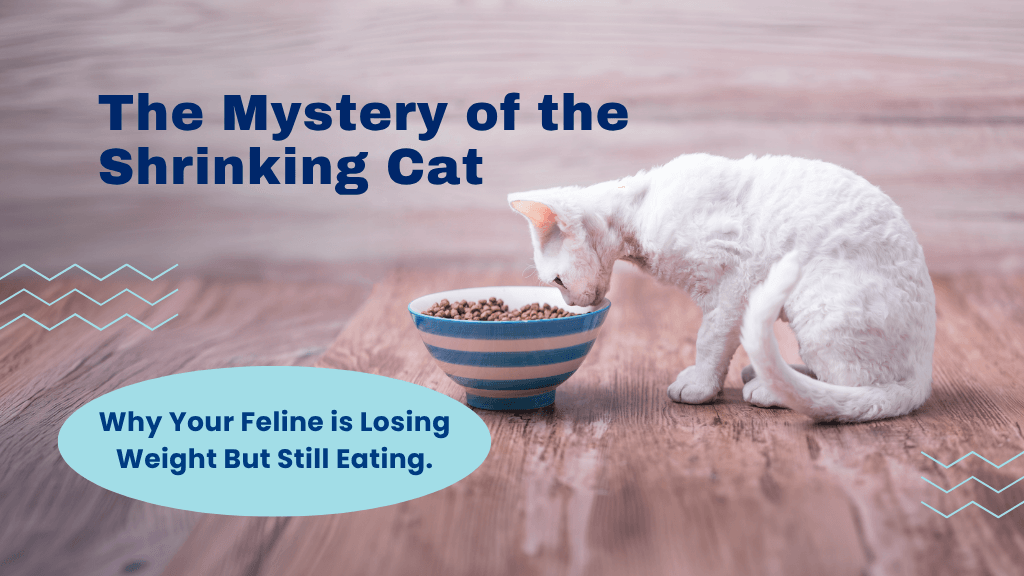
As a cat owner, few things are more baffling, or more concerning, than watching your feline friend lose weight while their food bowl continues to be licked clean. In the veterinary world, we often see "skinny" cats with "big" appetites, and while it might seem like a metabolic superpower, it is almost always a signal that something is happening under the surface.
At Monier Veterinary Clinic in Darra, we believe that proactive care is the best way to keep your Queensland cats healthy. If you’ve noticed your cat’s spine becoming more prominent or their "tummy tuck" looking a little too deep, this guide will help you understand what might be happening and why a trip to the vet is the most important step you can take.
Is Weight Loss Ever "Normal" for a Cat?
In short: No. While kittens grow and senior cats might lose a tiny bit of muscle mass as they age, a noticeable drop in weight, especially when they are eating well, is a clinical sign of an underlying issue.
Cats are masters of disguise. In the wild, showing weakness makes them vulnerable, so they have evolved to hide illness until it is quite advanced. Weight loss is often the "first whisper" of a problem that your cat can’t hide anymore.
The Power of the Scale: Why Home Weighing Matters
You might think, "I'll just wait for the vet to weigh them," but tracking your cat’s weight at home is a game-changer. Because we see our cats every day, "weight creep" (up or down) is hard to spot with the naked eye.
How to Weigh Your Cat at Home
You don't need a fancy veterinary scale. You can use your standard bathroom scale with the "Subtraction Method":
- Pick up your cat and step on the scale.
- Note the combined weight.
- Put the cat down and weigh yourself alone.
- Subtract your weight from the total.
Pro Tip: For more accuracy, use a digital baby scale or even a kitchen scale (for smaller cats/kittens) to track grams. If your cat loses even 200-300 grams over a month, that is a significant red flag that warrants an immediate call to Monier Veterinary Clinic. Having this data ready for your vet is incredibly helpful for a fast diagnosis!
The Common Culprits: Why the Weight is Dropping
There are several medical conditions that cause a "malfunction" in how your cat processes energy. Here are the most frequent reasons we see at our clinic:
1. Hyperthyroidism (The Metabolic Overdrive)
This is arguably the most common cause of weight loss in cats over the age of seven. The thyroid gland (located in the neck) starts producing too much thyroid hormone. This hormone controls the body’s "idle speed." When it’s too high, your cat’s metabolism runs at a sprint 24/7.
The Sign: A ravenous appetite (polyphagia), restlessness, and sometimes increased vocalisation at night.
2. Diabetes Mellitus
Just like humans, cats can develop diabetes. In diabetic cats, the body either doesn't produce enough insulin or can't use it properly. Since insulin is the "key" that lets sugar into the cells for energy, the body finds itself starving in a land of plenty. It begins breaking down its own fat and muscle stores to survive.
The Sign: Excessive thirst and more frequent trips to the litter box.
3. Chronic Kidney Disease (CKD)
The kidneys are the body's filtration system. When they begin to fail, a common occurrence in senior cats, toxins build up in the blood. While advanced kidney disease usually causes a loss of appetite, the early stages often present as weight loss and poor coat quality, even if the cat is still visiting the food bowl.
The Sign: Dilute urine and a cat that seems to hang out by the water fountain more often.
4. Gastrointestinal (GI) Issues and Malabsorption
Conditions like Inflammatory Bowel Disease (IBD) or certain GI cancers can prevent the intestines from absorbing the nutrients in the food. Your cat could be eating the highest quality kibble, but if the "delivery system" is broken, the nutrients never reach the bloodstream.
The Sign: Occasional vomiting, diarrhea, or simply a very thin cat with a surprisingly normal appetite.
5. Intestinal Parasites
Even "indoor-only" cats can get worms. Parasites like roundworms or tapeworms live in the digestive tract and consume the calories your cat is supposed to be getting.
The Sign: A "pot-bellied" appearance in a thin cat, or seeing segments of worms in the stool.
The Role of Dental Health
It is a common misconception that a cat with dental pain will stop eating. Many cats are so driven by hunger that they will continue to eat despite broken teeth, resorptive lesions, or inflamed gums. However, they may "quid" (drop) their food or swallow it whole without chewing, which can lead to less efficient digestion and weight loss over time.
How Can You Tell if Your Cat is Too Thin?
Since cats have fur, it can be hard to see weight loss until it is significant. At Monier Veterinary Clinic, we recommend the "Hand Test":
- Perfect Weight: Feel your cat’s ribs. They should feel like the back of your hand, lightly padded but easy to find.
- Too Thin: If the ribs feel like your knuckles when you make a fist, or if you can easily see the individual bones of the spine and hips, your cat is underweight.
Tips for Monitoring Your Cat at Home
If you suspect your cat is losing weight, start a "Cat Journal" for a few days before your vet appointment. Note down:
- Water Intake: Are you filling the bowl more often than usual?
- Litter Box Habits: Are the clumps of urine larger? Is the stool soft?
- Behaviour: Is your cat more "wired" or "hangry" than usual?
- Food Type: Have you changed brands recently? Different brands have different calorie densities.
Why a Vet Visit is Essential
You cannot "feed" your way out of medical weight loss. If the cause is hyperthyroidism or diabetes, giving more food won't solve the problem; it may actually make the symptoms worse.
When you bring your cat to see us at Monier Veterinary Clinic, we typically perform a "Senior Screen" or a weight loss workup. This usually involves:
- A Physical Exam: Checking for lumps, thyroid nodules, and dental health.
- Blood Work: To check organ function, sugar levels, and thyroid hormones.
- Urinalysis: To see how well the kidneys are concentrating urine and to check for glucose.
The good news? Most of these conditions are highly manageable. Many cats with hyperthyroidism or diabetes go on to live many more happy, high-quality years with the right medication or dietary changes.
A Note to Our Darra Community
If you live in Darra or the surrounding Brisbane suburbs and have noticed your feline friend is looking a bit "scrawny" despite their appetite, don't wait for them to "act sick." In the world of cats, weight loss is a sickness.
Early intervention is not only better for your cat’s health, but it is also often more cost-effective for you, as we can manage conditions before they become emergencies.
Give your cat the gift of a healthy weight. Contact our team at Monier Veterinary Clinic today to schedule a check-up. We are here to help your cat get back to their best, fluffiest self!
| Tags:Health AdvicePet BehaviourCat |