&geometry(261x80) "Monier Veterinary Clinic")
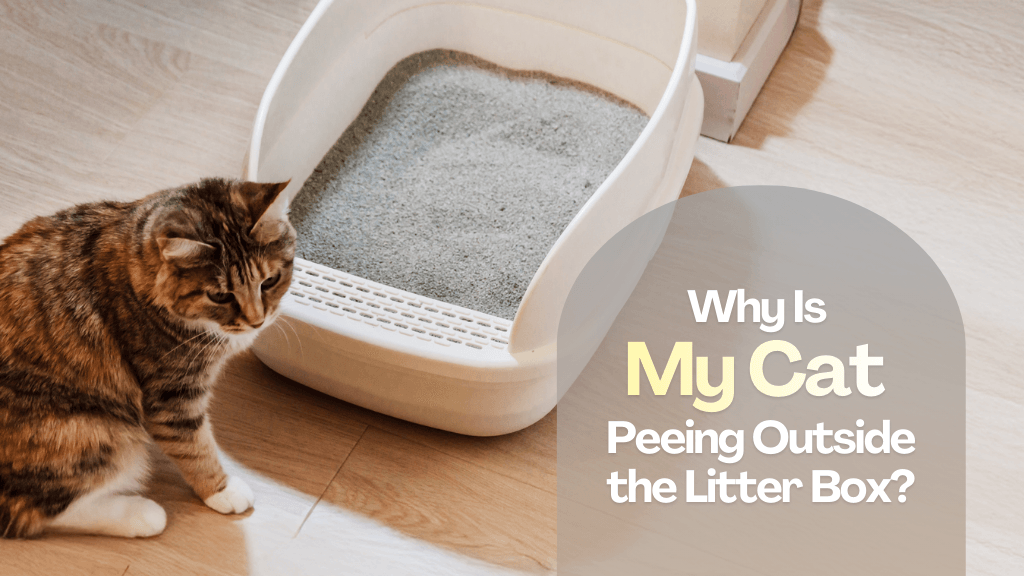
Why Is My Cat Peeing Outside the Litter Box?
 "Why Is My Cat Peeing Outside the Litter Box?")
When a cat starts urinating outside the litter tray, it often catches owners off guard. It can feel puzzling, upsetting, and sometimes even intentional. In reality, it almost never is. Cats don’t usually toilet outside the tray out of defiance or bad behaviour. More often, it’s their way of communicating that something in their body or environment isn’t right.
The most important thing to understand is this: a change in toileting habits should be approached as a potential medical issue before being labelled a behavioural one. Vets see this concern frequently because urinary problems can be uncomfortable, painful, and in some cases progress rapidly if not addressed.
Check physical health first (this step is essential)
Many cats abandon the litter tray because using it has become unpleasant. Pain, urgency, or difficulty urinating can quickly create a negative association with the tray, leading cats to seek out alternative places that feel safer or less stressful.
Conditions your vet may want to rule out include:
- Diseases affecting the bladder or urinary tract, such as inflammation, stones, or infection, can cause discomfort and frequent urges.
- Medical conditions that increase thirst and urine volume make accidents more likely.
- Joint pain or mobility limitations, where stepping into a tray with high sides or a lid is physically difficult.
- Stress-related urinary disorders, where emotional strain impacts bladder function and behaviour.
Warning signs that require urgent attention
You should seek veterinary care promptly if your cat:
- Struggles to pass urine, vocalises, or squats repeatedly with little output
- Appears uncomfortable or distressed when urinating
- Has blood visible in the urine
- Becomes lethargic, vomits, or stops eating
These symptoms may indicate serious urinary disease. In some situations, especially in male cats, an obstruction can become a medical emergency.
When health issues are ruled out, review behaviour and setup
If your vet confirms there’s no underlying medical cause, the next step is usually to look at:
- Litter tray rejection, where something about the tray, litter, or location isn’t suitable
- Environmental stress, where a change in the household or surroundings is affecting your cat
Think of the litter tray as your cat’s bathroom. If it’s unpleasant, noisy, hard to reach, or feels unsafe, avoiding it makes sense. Cats simply act on that decision more decisively than people do.
Urination versus spraying: why the difference matters
Not all urine-related issues are the same. Spraying (also called marking) usually involves:
- A small amount of urine
- Vertical surfaces like walls or furniture
- Triggers related to territory or stress
By contrast, normal toileting accidents tend to involve larger volumes on flat surfaces. Identifying which behaviour is occurring helps guide the right solution.
A litter tray review that often resolves the issue
Once medical causes are excluded, simple adjustments can have a big impact.
Hygiene: a top priority
Cats have a strong preference for cleanliness. If a tray smells unpleasant or feels dirty, even mildly, many cats will refuse to use it.
Best practice includes:
Scooping waste daily (twice daily in multi-cat homes)
Washing trays regularly and replacing old ones that retain odours
Litter selection: avoid strong scents
Many cats dislike fragranced litter. While it may smell fresh to humans, strong scents can be overwhelming and increase stress. Behaviour guidance often recommends sticking with unscented, familiar options.
Tray placement: calm and convenient
Cats are less likely to use trays placed where they feel startled or trapped. Consider:
- Locations that are easy to access, especially for senior cats
- Quiet areas away from household noise
- Multiple trays in different areas if space allows
Tray shape and accessibility
High-sided or covered trays can be uncomfortable for cats with arthritis or stiffness. Size, entry height, and ease of movement all influence whether a cat feels comfortable using a tray.
Reducing tension in multi-cat households
Sharing resources can increase stress between cats. Providing multiple trays in separate locations helps reduce competition and anxiety.
Managing accidents without reinforcing the problem
Step 1: Clean thoroughly and correctly
Avoid ammonia-based cleaners, as the smell can encourage repeat use of the same area. Enzymatic cleaners designed for pet urine are more effective.
Step 2: Encourage the right habit
If your cat repeatedly urinates in one spot, placing a tray there temporarily can help reset the behaviour. The tray can then be gradually moved to a preferred location.
Step 3: Support a low-stress environment
Stress is a frequent contributor to urinary behaviour changes. Common triggers include new pets, visitors, routine disruptions, or outdoor cats visible through windows.
Helpful stress-management strategies include:
- Predictable feeding routines
- Regular play sessions
- Access to quiet hiding places and elevated resting areas
- Reducing visual stressors from outside animals
What to avoid (even when frustration sets in)
Punishment is rarely helpful and often harmful. Yelling, scolding, or physical correction increases anxiety and can cause cats to hide their behaviour rather than improve it. Behaviour specialists consistently advise against punitive responses, as they worsen stress and prolong the issue.
A more effective approach focuses on:
- Identifying or ruling out medical causes
- Making the litter tray appealing and accessible
- Minimising environmental stress
- Re-establishing a calm, predictable toileting routine
Why veterinary guidance makes a difference
A veterinary visit removes uncertainty and saves time. Your vet can:
- Assess for urinary disease or systemic conditions
- Recommend appropriate testing, such as urine analysis
- Help differentiate marking from toileting issues
- Create a management plan tailored to your cat’s health, age, and living situation
Book an appointment
If your cat is urinating outside the litter tray, we recommend booking an appointment so medical causes can be ruled out and a clear plan developed.
Call us to book by phone (07) 3279 3999 or book online anytime.
| Tags:Pet BehaviourClient InformationCat |